Travel trends change quickly when safety concerns rise around the world. Destinations that were once packed with visitors are now seeing cancellations, revised advisories, and a noticeable drop in bookings. This winter’s headlines have focused on rising regional tensions, airspace closures, health warnings, and crime alerts that are shaping how people plan their holidays.
This report outlines the key travel destinations tourists are avoiding right now, based on current developments and updated government advisories from 2026. It explains why these places are under scrutiny, how the situation affects travelers, and what steps can help reduce risk when planning an international trip. It also looks at how the global travel industry is responding to these shifts.
Middle East Conflict And Its Impact On Travel
One of the most significant travel developments involves the Middle East. Escalating tensions and military activity in parts of the region have changed tourism patterns almost overnight.
Drop In Tourist Confidence
Economic projections released this year show that tourism across the Middle East could decline sharply compared to earlier expectations. Travel analysts estimate that millions fewer international visitors may arrive in the region due to uncertainty and security concerns.
Airlines have reduced routes or temporarily suspended flights to certain cities. Some carriers are avoiding specific airspace corridors, which has resulted in longer flight times between Europe and Asia. These operational shifts affect not only travelers headed to the Middle East, but also those transiting through major aviation hubs.
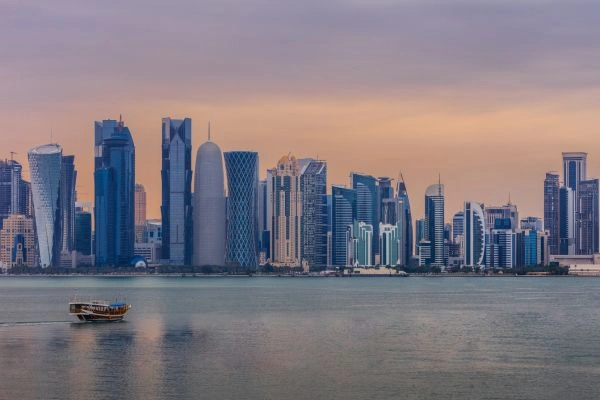
Cities such as Dubai and Doha, which built their reputations as safe, efficient transit and leisure centers, have seen softer demand in recent weeks. While daily life continues as normal in many areas, perception plays a powerful role in travel decisions. Even limited conflict in nearby regions can trigger widespread booking hesitation.
Tour operators report that leisure travelers are especially cautious. Honeymooners, retirees, and families with young children often choose to postpone trips when advisories are upgraded or media coverage intensifies.
Warnings And Country Level Advisories
Several governments have updated travel advisories for parts of the Middle East. In some cases, citizens are urged to avoid non-essential travel. In others, travelers are advised to leave certain regions immediately if already present.
Countries frequently mentioned in advisory updates include Bahrain, Iraq, Iran, Kuwait, Jordan, Lebanon, Qatar, Syria, the United Arab Emirates, and Yemen. While not all areas within these countries face the same level of risk, national advisories often apply broadly as a precaution.
The presence of military activity, threats to infrastructure, or concerns about potential escalation can elevate advisory levels quickly. Travelers considering trips to the region are encouraged to consult official government websites for the most up-to-date guidance.
Airspace Disruptions And Travel Delays
One of the most visible effects of regional instability is airspace disruption. When air corridors close, airlines must reroute aircraft, which increases flight times and fuel costs. These changes can ripple through global networks, affecting connections far beyond the immediate region.
Passengers may face:
- Sudden flight cancellations
- Route changes with longer layovers
- Higher ticket prices due to limited availability
- Difficulty rebooking during peak travel seasons
Cruise operators have also adjusted itineraries. Ports in certain Middle Eastern destinations have been removed from schedules, replaced by stops in the Mediterranean or elsewhere.
How This Affects Tourists
Travelers with plans in the region must consider practical challenges. Insurance policies may exclude coverage for disruptions caused by war or civil unrest. Refund policies vary widely depending on the airline or tour provider.
In some cases, evacuation advisories have been issued for specific locations. Travelers already in affected countries are urged to register with their embassies and monitor local news.
Even destinations that remain calm can experience economic consequences when visitor numbers fall. Hotels may reduce staffing, tours may operate with smaller groups, and local businesses that rely on tourism revenue can struggle.
Parts Of The Caribbean On Watch
The Caribbean continues to attract beach lovers and cruise passengers, but several developments have drawn attention to certain islands.
Canada’s Cuba Advisory
Canada updated its travel guidance for Cuba this year, citing concerns related to public safety and infrastructure challenges. Reports of supply shortages and service disruptions have influenced traveler sentiment.

While many resorts operate as usual, conditions outside major tourist areas can vary. Travelers are advised to remain aware of local circumstances, particularly when venturing beyond resort properties.
Visitor numbers from Canada, one of Cuba’s largest tourism markets, have shown signs of softening following the advisory update.
Health Alerts And Seasonal Risks
The Caribbean also faces seasonal health concerns. Outbreaks of dengue fever and other mosquito-borne illnesses can prompt advisories from health authorities.
Travelers planning visits during warmer months are encouraged to take preventive measures such as using insect repellent and checking vaccination recommendations.
Storm season presents another variable. Hurricanes and tropical storms can disrupt flights and cruise itineraries, sometimes with little warning.
Crime-Driven Concerns In The Caribbean
Crime rates have also affected tourism in certain parts of the region.
State Of Emergency In Trinidad And Tobago
Trinidad and Tobago declared a state of emergency in response to violent crime linked to gang activity. Authorities introduced enhanced security measures to restore stability.
While many tourist areas remain relatively insulated, the declaration has raised concerns among potential visitors. Independent travelers who plan to explore local neighborhoods may feel more cautious when such measures are in place.
Crime alerts can influence booking patterns quickly. Even if incidents are concentrated in specific districts, the overall perception of risk may affect the entire destination.
North America Travel Warnings And Shifts
Travel patterns within North America are also evolving in response to security developments and political factors.
Security Alerts In Mexico
U.S. authorities issued updated security alerts regarding ongoing operations in certain Mexican states, including Jalisco. These alerts advise visitors to exercise increased caution and to stay informed about local conditions.
It is important to note that travel advisories are often state-specific. Resort areas and major tourist zones may operate under different conditions than regions experiencing security operations.
Mexico remains one of the most visited countries in the world, but travelers are encouraged to review regional guidance carefully before finalizing plans.

Perception Of Safety In The United States
Several foreign governments have updated travel information for citizens visiting the United States. Issues cited include gun violence, civil unrest, and localized security concerns.
While the United States continues to welcome millions of visitors annually, changes in perception can influence demand from certain markets.
Tourism boards and city officials have responded by highlighting safety initiatives and providing clearer guidance for international visitors.
Asia Pacific Trends Affecting Tourists
The Asia Pacific region presents a more varied picture, with some destinations experiencing strong growth and others seeing slower demand.
Japan’s Tourism Adjustment
Japan recently reported a modest decline in foreign arrivals compared to previous high growth periods. Analysts attribute this shift to changing travel priorities, currency fluctuations, and broader regional developments.
Japan remains widely regarded as safe, but even small changes in global sentiment can influence travel patterns.
Indonesia And Bali Advisory Updates
Bali continues to be one of Southeast Asia’s most popular destinations. However, updated advisories have emphasized visa requirements, local laws, and safety considerations for international tourists.
Authorities are encouraging visitors to respect local customs and to remain aware of traffic conditions and natural hazards such as volcanic activity.
These updates do not discourage tourism but reflect efforts to manage visitor behavior and maintain safety standards.
European Vacation Spots And Regional Warnings
Europe remains a major travel destination, yet it is not immune to regional spillover effects.
Cyprus Flight Cancellations
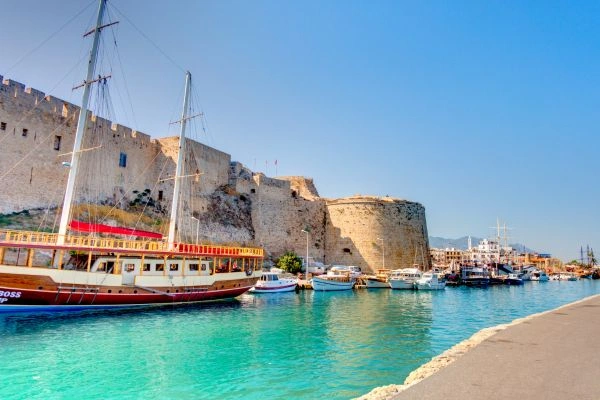
After a security incident in a nearby region, some airlines temporarily canceled flights to Cyprus. Although the island itself was not directly impacted, the situation highlighted how closely connected global travel networks have become.
Travelers planning European holidays are advised to monitor airline communications and stay informed about potential disruptions.
Border Region Advisories
Certain European border areas close to active conflict zones have seen updated advisories. Visitors are urged to avoid travel near military operations or politically sensitive regions.
Major tourist cities such as Rome, Paris, and Barcelona continue to operate normally, but heightened security measures remain visible in airports and public spaces.
What Travelers Are Most Concerned About
Recent booking trends reveal several recurring themes that influence decision-making.
Security And Armed Conflict
Active fighting and missile activity are among the strongest deterrents to travel. Even when limited geographically, such events can shape global perceptions quickly.
Crime And Personal Safety
High crime rates or states of emergency discourage independent travelers and solo tourists in particular.
Health Risks
Outbreaks of infectious diseases remain a concern for families and older travelers. Access to reliable healthcare is an important factor when choosing a destination.
Travel Disruptions
Flight cancellations, visa delays, and sudden rule changes can make otherwise safe destinations feel unpredictable.
Broader Travel Industry Impact
The travel industry is adjusting to these developments in real time.
Airlines are reviewing route networks and redeploying aircraft to markets with stronger demand. Cruise companies are altering itineraries to avoid ports under advisory warnings. Hotels in affected areas are offering more flexible cancellation policies to encourage bookings.
Tourism boards are increasing communication efforts to reassure travelers and provide accurate safety information. In some destinations, governments are investing in additional security measures to restore confidence.
Destinations considered stable and politically calm are benefiting from redirected demand. Travelers who postpone trips to higher-risk regions often choose alternative countries with similar attractions but lower advisory levels.
How To Plan Wisely While Traveling
Even during periods of uncertainty, careful planning can reduce risk.
- Review official travel advisories before booking
- Monitor updates from airlines and embassies
- Choose flexible tickets and accommodations
- Purchase comprehensive travel insurance
- Keep up to date on entry requirements and health guidelines
Travelers should also register with their embassy when visiting higher-risk regions. This ensures that they receive alerts and can access assistance if needed.
Maintaining awareness without overreacting to headlines is key. Conditions can vary significantly within a country, and not all advisories indicate immediate danger.
Travel Destination Advice for Informed and Secure Travel
Global travel remains possible and rewarding, but current conditions require greater awareness and preparation. Conflict in parts of the Middle East, crime alerts in sections of the Caribbean, security updates in Mexico, and shifting advisories in Europe and Asia have influenced where tourists feel comfortable traveling right now.
By staying informed and choosing destinations carefully, travelers can still enjoy meaningful experiences while minimizing risk. The world offers countless opportunities for exploration, but thoughtful planning has become more important than ever.
Understanding current travel alerts allows tourists to make smart decisions, protect their investment, and ensure that each journey is both safe and memorable.