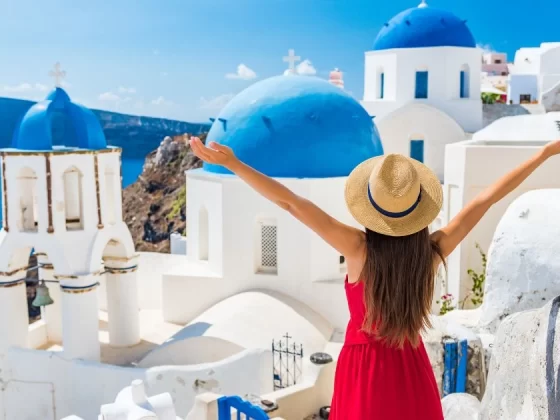
Greek island hopping continues to be one of the most talked-about travel experiences for people planning a trip to the Aegean and Ionian seas. The idea of moving from one beautiful island to another, each with its own character and scenery, draws visitors from around the world every season. Whether planning a lively journey among well‑known destinations or a slower, more relaxed trip through lesser‑seen spots, this guide walks through the things travellers need to know.
From how to plan a route to the highlights of popular Greek islands and lesser-explored destinations, this article brings together the latest reviews, travel news, tips, and destinations that are shaping travel today. The aim is to make planning a Greek island vacation easier and more enjoyable in every part, from transport and timing to local food and hidden beaches.
Why People Keep Talking About Greek Island Hopping
Island hopping in Greece has stayed popular because the country gives you so many different kinds of experiences close to each other. It isn’t just about beaches and sea views. There’s culture, history, cuisine, scenic villages, lively nightlife, and quiet corners of the world that few outsiders have seen. Most people dream about sunsets over whitewashed villages or swimming in water so clear it looks unreal. And since there are over six thousand islands and islets in Greece, the choices are vast.
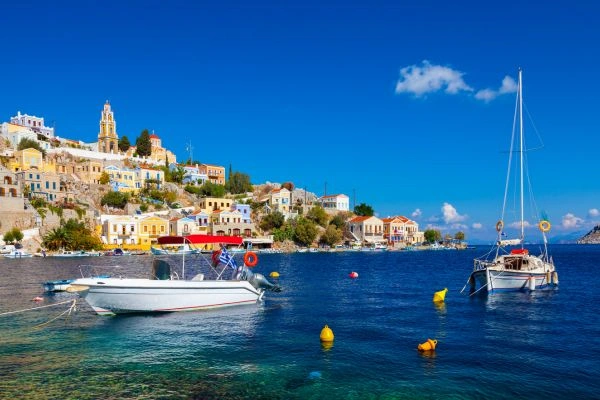
For many travellers, combining a handful of destinations into a single trip is a way to get a snapshot of everything that makes Greece special. It may involve ferries, planes, or a mix of both, but what most guides agree on is that moving between islands gives a much richer view of the country than staying in one place.
Best Times To Go Greek Island Hopping
Choosing when to travel is one of the first big decisions. Weather, crowds, prices, and even transport options vary a lot throughout the year.
Spring
Many travellers find spring a perfect time to go. The weather warms up, flowers bloom everywhere, and there are fewer tourists than in the busiest months. This means quieter beaches and more relaxed ferry rides. Temperatures are comfortable for hiking or exploring towns on foot, and most of the islands are ready for visitors by April and May.
Summer
Summer is the most popular period for a reason. Long, warm days make it ideal for swimming, sailing, and late nights at terrace bars. Even though it’s the busiest time of year, there are advantages too. More boats run between islands, more places stay open late, and the energy on islands like Mykonos and Santorini is hard to match.
Autumn
Autumn often gives the best of both worlds. The sea stays warm throughout the summer, but days are calmer and the number of visitors drops. The weather stays pleasant, and the light across the landscape becomes rich and golden. Travellers who want less bustle but still nice weather find this time ideal.
Winter
It is possible to visit the Greek islands in winter, but it’s not easy if the goal is hopping from island to island. Most ferry schedules slow down or stop, and many tourist services close for the season. Quieter islands near the mainland, like Hydra or Poros, might still be reachable with fewer crowds, but most holiday planners avoid deep winter.
How To Move Between Islands
Getting from one island to another is a big part of island hopping, and there are options to suit different travel styles and budgets.
Ferries
Ferries remain the classic choice for traveling between the Greek islands. Greece has an extensive ferry network linking large and small ports. Tickets can be booked ahead or sometimes even on the day, though popular routes in peak seasons sell out quickly. Ferries range from slow scenic boats to faster catamarans, and prices vary accordingly.
Flights
Flying between islands has become more common, especially for destinations far apart. It isn’t always the cheapest choice, but it can save hours of travel time. Only some islands have airports, so flights work best when they connect those specific places rather than linking every destination.
Plan A Route
Mapping out a sensible route helps avoid doubling back and wasting time. For example, many people start in Athens and take a ferry from Piraeus to islands in the Cyclades, then move across the chain. Other travellers begin on the western side with places like Corfu and Kefalonia in the Ionian, then connect eastward.
How Long To Spend On Each Island
There is no perfect number of days per island. It depends on what you want out of the trip.
A shorter visit might give you 2 or 3 nights on each, enough to see major sights and enjoy local food and beaches. For travellers who love slow mornings, long meals at tavernas, and relaxed evenings, spending more time in fewer places works better. Some islands have so much to offer that you might choose to stay put for a week rather than rush around.
What To See, Do, And Eat
Each island has its own personality, and part of the fun of Greek island hopping is discovering what makes each stop unique.
Culture And History
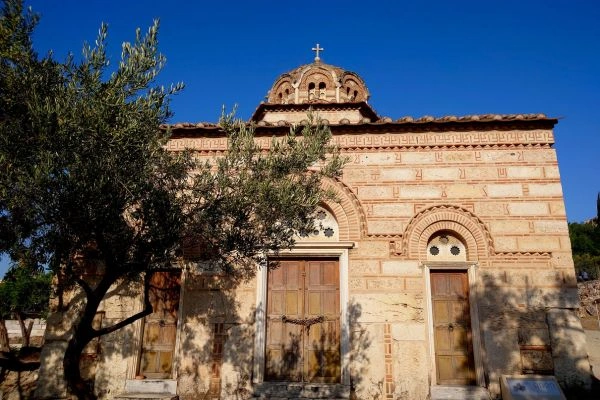
Many islands are rich with historical sites. Ancient ruins, medieval castles, and Byzantine churches are scattered across the region. Moments like wandering the stone streets of a port town or visiting an archaeological museum make the journey more than just sightseeing. Local festivals and traditions bring an extra layer of cultural richness to each island.
Beaches And Swimming
Of course, beaches are a big draw. From dramatic cliff‑backed coves to long sandy stretches, the water is usually crystal clear. Spots like Shipwreck Beach in Zakynthos or the black‑sand beaches of Santorini are well known, but hidden coves on smaller islands often prove just as magical.
Local Food And Taverns
Greek cuisine is a highlight of any visit. Fresh seafood, grilled meats, and local specialties like moussaka or fava are everyday treats. Many islands have tavernas by the sea where plates arrive as fresh as the breeze. Olive oil, feta cheese, grilled octopus, and plenty of local wine or ouzo help define the island experience.
Village Life
Part of the appeal of island hopping is stopping in charming villages that feel untouched by time. Narrow lanes, bougainvillea‑clad walls, and village squares where locals gather at dusk make for an unforgettable sense of place.
Popular Greek Islands You Should Know
Some islands are already famous around the world and remain must‑visit destinations for most travellers.
Santorini
Perhaps the most iconic of all Greek islands, Santorini is famous for its views, white and blue architecture, and volcanic backdrop. The sunsets here are legendary. It can be pricey and crowded in peak months, but it’s hard to argue with the beauty that keeps people returning year after year.
Mykonos
Known for its nightlife, beaches, and energy, Mykonos draws visitors looking for a party atmosphere and luxury amenities. There is also charming old town architecture and quieter corners if you look for them.
Crete
It is the largest of the Greek islands and is nearly a destination on its own. Beaches, mountains, ancient ruins, and distinctive culture give this place a huge variety of things to do.
Corfu
On the western side, Corfu blends Greek and Italian influences with its architecture and cuisine. The old town is a UNESCO World Heritage Site, and the island’s beaches and scenery make it a favourite first stop before hopping further in the Ionian.
Less Popular Greek Islands Worth Exploring
Alongside crowd‑pullers like Santorini and Mykonos, some islands offer peace, authenticity, and slower travel.
Donousa
This small island in the Cyclades remains under the radar but gives visitors a wonderfully relaxed pace, sandy beaches, and walking pathways.
Amorgos
Another lesser-known gem in the Cyclades, Amorgos is rugged and dramatic with deep valleys and scenic walks.
Koufonisia
A tiny island with beach paradise vibes and clear water, perfect for a short getaway or a relaxing few days between bigger stops.
Serifos
Often overlooked next to nearby Milos or Sifnos, Serifos gives visitors traditional Greek village life, lovely beaches, and views without the big crowds.
Fourni
Less visited by international tourists but known to locals as a peaceful, hidden getaway with charming streets and fresh seafood tavernas.
These kinds of islands reward travellers who prefer slower pacing and authentic experiences, far from the busiest ports.
Accommodation And Costs
Accommodation across the Greek islands varies widely, catering to all budgets and travel styles. Budget travellers can find simple guesthouses or family-run pensions that are clean, comfortable, and often include local touches like homemade breakfast or personalized recommendations for attractions. These options provide an authentic island experience without a high price tag.
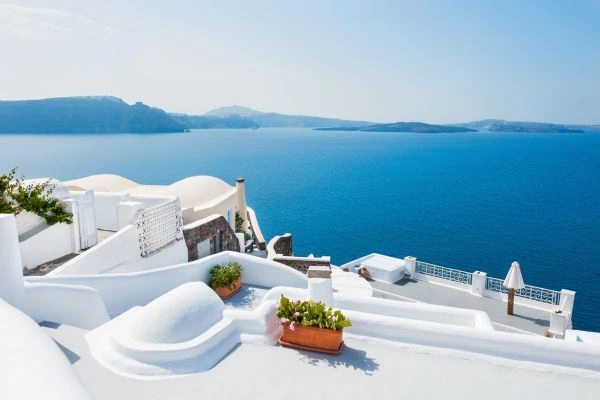
For those seeking more comfort, mid-range hotels, boutique stays, and luxury resorts are available, especially on popular islands like Santorini and Mykonos. Villas featuring private pools, cliffside suites, and upscale services offer convenience and a truly memorable stay. Quieter Greek islands, such as Donousa or Koufonisia, are more affordable while still providing charm, scenic beauty, and local culture, making them ideal for balancing luxury with budget-friendly travel.
Tips For Smooth Island Hopping
Successful Greek island hopping requires some planning. Booking ferries and accommodations early, especially in summer, ensures a smoother trip, while checking ferry schedules helps avoid missed connections. Flexibility is important, as weather can occasionally affect services on smaller islands.
Packing smartly makes the journey easier. Bring lightweight clothes, swimwear, and comfortable shoes for walking cobbled streets or hiking. Use local buses, taxis, or rental scooters to reach hidden beaches and villages, and be prepared for some walking at ports and ferry terminals to fully enjoy the island-hopping experience.
The Perfect Mix Of Adventure And Relaxation
Greek island hopping offers a mix of adventure, relaxation, and cultural discovery that makes it a bucket-list trip. Travellers can visit iconic islands like Santorini and Mykonos or discover quieter, less popular Greek islands, enjoying everything from beautiful beaches and lively nightlife to charming villages and historic sites.
Each island brings unique experiences, from wandering local markets and tasting traditional cuisine to watching sunsets over cliffside villages or swimming in secluded coves. The variety ensures every traveller finds memorable moments, whether seeking excitement, tranquility, or a blend of both.