When it comes to nature travel that feels meaningful and responsible, the top 10 ecotourism destinations in the world is a phrase that keeps coming up in experts’ reviews, travel guides, and recent stories. Ecotourism destinations are places focused on protecting nature, helping local communities, and giving visitors real moments with wildlife and ecosystems. Reviews, articles, and travel discussions this year show that travellers care more about how their adventures affect the environment and communities, and these top places deliver experiences that go beyond sightseeing and into conservation success. This article highlights places that combine breathtaking landscapes, rare animal sightings, and genuine efforts to keep the wild wild.
From lush rainforest jungles to sweeping savannas teeming with iconic creatures, these spots are not only beautiful but meet strict standards for sustainability, community engagement, and responsible tourism. Many of these destinations show how travel can help protect endangered species, fund conservation work, and lift local people through jobs and partnerships rather than harm their homes. Across continents, a mix of national parks, remote islands, wetlands, and conservancies has made today’s lists of best ecotourism destinations for wildlife lovers everywhere. Each entry below is backed by current travel coverage and global tourism sources that track how these places are performing and what travellers can expect.
1. Galápagos Islands, Ecuador
The Galápagos Islands are legendary among nature lovers for their unique wildlife and dramatic volcanic landscapes. These islands are globally famous for the phenomena that helped inspire evolutionary theory, and they remain one of the most strictly managed nature destinations on Earth. Protected areas cover nearly all of the archipelago, and careful visitor controls help keep human impact to a minimum while maximizing benefit for wildlife and local communities.
Visitors have the rare chance to see species that exist nowhere else, from giant tortoises and marine iguanas to blue‑footed boobies and feather‑tipped finches. Snorkelling and diving here are unforgettable, with underwater encounters that include sea lions, rays, and tropical fish. Because tourism dollars directly support conservation and scientific research, travel here counts toward protecting these fragile ecosystems for future generations.
This blend of restriction and reward makes the Galápagos Islands one of the top wildlife‑focused ecotourism destinations in the world, drawing serious lovers of nature and conservation alike. Business practices and regulations are constantly evaluated to maintain a delicate balance between access and protection.

2. Okavango Delta, Botswana
The Okavango Delta is one of Africa’s most breathtaking natural wonders, a UNESCO World Heritage Site rich with wildlife and striking waterway networks. Here, water from the Angolan highlands spreads out onto the dry Kalahari sands, creating extensive floodplains and island patches that support elephants, lions, wild dogs, hippos, and countless bird species. Sustainable travel operators often focus on small group safaris and community‑run camps that protect the habitat rather than disrupt it.
Travel here feels immersive and authentic because conservation is a priority. Local communities work with safari operators to ensure benefits such as employment and cultural programming stay close to home. Wildlife sightings in the Okavango are often up close and personal, yet respectful and guided by experts who understand how to keep the balance between visitor experience and animal wellbeing.
Because of its mix of incredible biodiversity, waterborne ecosystems, and community engagement, the Okavango Delta stands out as one of the best ecotourism destinations and a must‑visit for anyone who wants a real connection with wildlife and nature.
3. Serengeti National Park, Tanzania
Famed for one of the greatest wildlife spectacles on Earth, the Serengeti National Park offers vast grasslands where migrations of wildebeest, zebras, and gazelles unfold every year. This sprawling landscape is also home to lions, leopards, cheetahs, elephants, and a host of other animals that define safari dreams for millions of visitors. Conservation programs in the region focus on habitat protection and education, ensuring that travel supports the very species travellers have come to see.
Ecotourism here isn’t just about what visitors see; it’s tied to revenue used to reduce poaching, train local guides, and protect corridors that animals use year-round. Game drives led by experienced rangers offer insights into animal behaviour, landscape ecology, and community support initiatives. A trip to the Serengeti often includes stays in lodges that follow strict environmental practices and partner with local villages.
For anyone seeking dramatic herds, classic safari territory, and responsible travel that helps the ecosystem endure, the Serengeti remains a top choice.

4. Costa Rica’s Rainforests And Marine Reserves
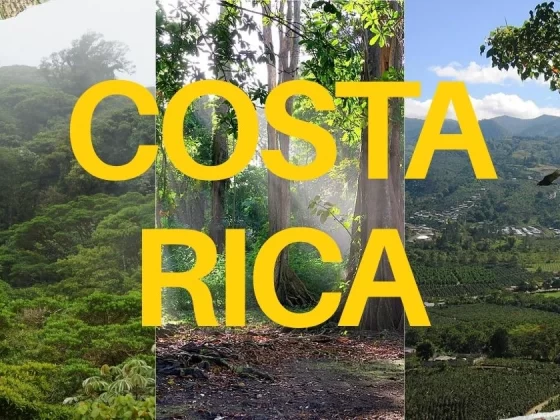
Costa Rica has long been recognized as one of the best ecotourism destinations on the planet because of its deep commitment to conserving nature and supporting local communities. Around a quarter of the country’s land is protected, and national parks like Corcovado and Monteverde Cloud Forest Reserve offer some of the most intact tropical landscapes in the Americas. Here, travellers can explore lush jungles, wavering fog forests, and vibrant wetlands full of monkeys, sloths, toucans, and more.
Reviews and travel guides highlight Costa Rica’s leadership in sustainable practices such as renewable energy, community tourism initiatives, and water conservation programs. Visitor experiences often involve guided walks, night wildlife tours, and marine excursions that teach about both biodiversity and the importance of protecting it. The country’s tourism infrastructure combines eco‑friendly lodging and community‑run projects that let local people benefit directly from visitors.
Whether hiking through national parks, watching turtles lay eggs on protected beaches, or exploring mangrove tunnels by kayak, Costa Rica offers a range of activities that make meaningful connections with nature easy and accessible.
5. Komodo National Park, Indonesia
Komodo National Park is home to the famous Komodo dragon, but the attractions here go well beyond its giant lizards. This Indonesian treasure also includes coral reefs, verdant islands, and sprawling marine ecosystems that support turtles, reef fish, dolphins, and rare reef sharks. Strict visitor limits and guided tours help protect the fragile island habitats, making this a standout ecotourism destination for both land and sea wildlife lovers.
The mix of terrestrial and marine experiences makes Komodo different from many traditional safari destinations. Travellers have options to snorkel in clear waters, hike rugged hillsides, and explore beaches that are still wild and undeveloped. Conservation fees and community partnerships ensure that tourism funds local schools, ranger programs, and habitat protection projects.
Specialist guides often accompany visitors to prevent disturbance to wildlife, and even the paths are designed to minimize erosion and avoid sensitive areas. Komodo National Park combines its world‑famous reptiles with broader biodiversity and impressive natural beauty.

6. Raja Ampat, Indonesia
Raja Ampat is often called a diver’s paradise because of its extraordinary marine biodiversity. Located in the Coral Triangle, this region has some of the richest underwater life on the planet, with more coral species and reef fish than almost anywhere else. Travel to Raja Ampat is lightly regulated to protect reefs from overtourism, and many local communities manage homestays, snorkeling tours, and boat excursions that support conservation goals.
Above water, dense jungle and small villages give visitors a chance to see birds of paradise, rare butterflies, and mangrove ecosystems that support coastal life for generations. Local operators are committed to sustainable practices such as limiting single‑use plastics, investing in reef monitoring, and training young residents as guides.
For nature lovers who want incredible marine encounters balanced with responsible tourism and cultural connection, Raja Ampat is one of the best ecotourism destinations in the world.
7. Loisaba Conservancy, Kenya
Stretching across Kenya’s Laikipia County, Loisaba Conservancy is a wildlife haven that protects endangered species while uplifting local communities. This region has become a model of how conservancies can work with pastoralist populations to manage land for both wildlife and sustainable livestock grazing. Conservation is paired with employment and cultural experiences that benefit both visitors and the people who live there.
Wildlife here includes elephants, lions, Grevy’s zebras, and one of Africa’s best populations of rare wild dogs. Safari tours through Loisaba give travellers a chance to learn about anti‑poaching efforts, ecosystem monitoring, and the role of community scouts who help safeguard the land. Accommodations, like tented camps, are designed to blend into the environment and operate with low environmental impact.
This balance of wildlife conservation and local partnership makes Loisaba a standout on lists of best ecotourism destinations for wildlife lovers, especially those seeking ethical adventures in Africa.
8. Volcanoes National Park, Rwanda
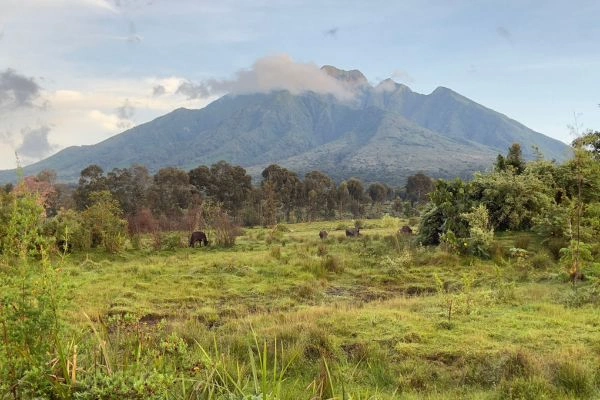
Volcanoes National Park is one of the few places in the world where travellers can see mountain gorillas in their natural habitat. This misty volcanic landscape is part of a broader network of protected areas that champion biodiversity and community development while offering one of the most moving wildlife experiences on the planet. Trekking through forest trails, visitors can observe gorillas and other primates up close in a way that supports conservation.
Community‑owned lodges around the park reinvest tourism доход into schools, habitat protection, and sustainable agriculture programs. These efforts help reduce pressure on forests while giving local people a stake in keeping wildlife and nature thriving. Gorilla tourism here isn’t just about spotting animals; it’s about seeing how careful stewardship and local engagement can make a difference for endangered species.
For many wildlife lovers, Volcanoes National Park delivers an emotional and educational experience that stays with them long after they leave.
9. Kinabalu National Park, Malaysia
Kinabalu National Park in Malaysia was one of the first places in Southeast Asia to become a UNESCO World Heritage site because of its remarkable biodiversity. Mt Kinabalu towers over forests that contain thousands of plant species, rare birds, and unique mammals. The park’s trail system and interpretive centres help visitors understand the delicate ecosystems and how people are supporting conservation efforts.
Communities around the park work with conservation organisations to manage visitor flows, provide education, and support local income through sustainable guiding and handicraft sales. This cooperative approach helps ensure that tourism benefits both nature and culture. The park’s elevation gradients mean visitors can see a wide range of climates and species in a single trip.
Kinabalu National Park’s achievements in biodiversity protection and community partnership make it a valuable stop for anyone seeking one of the best ecotourism destinations in Southeast Asia.
10. Amazon Rainforest, South America
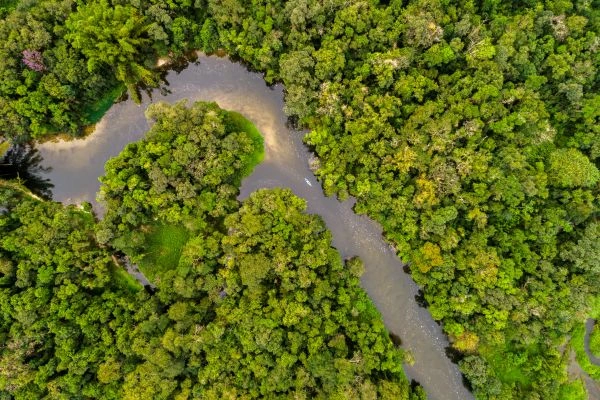
The Amazon Rainforest is the largest tropical rainforest on the planet, and certain protected regions within it are now managed with community‑run ecotourism at the heart of their strategies. Indigenous groups lead many of the initiatives that welcome visitors, with tours focused on cultural exchange, wildlife spotting, and habitat education.
These destinations are not only about seeing jaguars, macaws, or toucans; they are about understanding how forest ecosystems operate and why they matter to the planet’s health. Visitor revenues help fund local services, conservation patrols, and traditional craft economies. Community guides often interpret the rainforest in ways that deepen appreciation for biodiversity while encouraging respectful travel.
For travellers who dream of immersive jungle environments and supporting Indigenous stewardship, Amazon ecotourism communities remain among the world’s most meaningful travel destinations.
Why These Ecotourism Destinations Should Be on Your Travel List
The world’s top 10 ecotourism destinations offer more than scenic views and wildlife sightings. They show how travel can be part of a positive future for nature and people. These ecotourism destinations balance protection with access, providing experiences that help fund conservation, support local jobs, and connect travellers with ecosystems in respectful ways.
Whether exploring isolated islands, sweeping savannas, dense rainforests, or towering volcanic peaks, each destination on this list brings visitors closer to the natural world while uplifting the communities that call these places home. Choosing travel that aligns with these values helps preserve the beauty of the planet and ensures that these wild places remain vibrant and thriving for future generations.